
Using activated charcoal to absorb odors effectively
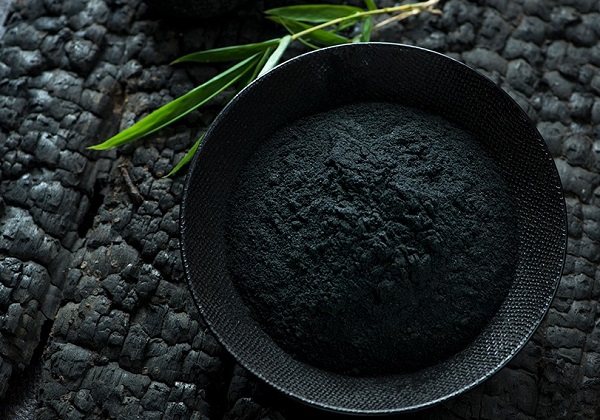
Quick Answer: Yes, activated charcoal can reduce many household odors. Odor molecules stick to its very large internal surface, a process called adsorption. It works slowly, only on air that reaches it, and it stops working once that surface is full. It does not remove the source of a smell. Plain charcoal and grill briquettes do much less, because ordinary charcoal is not very adsorbent until it has been activated.
Activated charcoal, also called activated carbon, is the same material used in air cleaner carbon filters and water filters. As an odor absorber in a bag or bowl it is useful in small, enclosed spaces and limited in a whole room. Below: how it works, which kinds of charcoal are worth using, how long it lasts, and the smells it cannot fix. If you want to know which odors it handles best, see our guide to what activated carbon gets rid of.
How does activated charcoal remove odors?
By adsorption, not absorption. Odor molecules in the air stick to the surface of the carbon, including the surfaces inside its pores, instead of soaking into it. The EPA's Community Guide to Granular Activated Carbon Treatment (EPA-542-F-21-010, 2021) describes it this way: as air or water flows through the carbon, contaminants "sorb (stick) to the GAC surface and are removed."
Two things follow from that. The carbon only captures what reaches it, so air movement matters. And it has a fixed amount of surface. The same EPA guide says activated carbon "needs to be replaced when the available surfaces on the granules are taken up" and nothing more can stick.
What is activated charcoal, and why does activation matter?
Activated charcoal is charcoal that has been heated again to open up its pore structure. The UN Food and Agriculture Organization's charcoal manual, Simple Technologies for Charcoal Making (FAO Forestry Paper 41, 1987), explains why that step matters: ordinary wood charcoal "is not a very active adsorption material for either liquids or vapours because its fine structure is blocked by tarry residues." The common industrial fix is heating powdered charcoal in a furnace to low red heat in superheated steam, which drives the tars off and leaves the pores open.
The same FAO chapter notes that charcoal for adsorbing gases and vapors is usually made from coconut shell, because it adsorbs well and resists crumbling. That is why so many odor absorbers are sold as coconut shell carbon.
Does regular, bamboo or briquette charcoal work for odors?
Only activated charcoal works well. The others range from weak to a bad idea.
| Type | Good for odors? | Why |
|---|---|---|
| Activated charcoal (coconut shell, wood, coal) | Yes | Pores opened by activation, so far more surface for odor molecules |
| Bamboo charcoal bags | Depends on the product | Some are activated and some are not. Check the label for "activated" |
| Plain lump charcoal | Weak | FAO: pores blocked by tarry residues until activated |
| Grill briquettes | No | A fuel, made from charcoal fines held together with binders such as starch or clay |
Never burn charcoal indoors to "clear the air". Burning charcoal produces carbon monoxide, which the EPA describes as an odorless, colorless and toxic gas that can kill before you know it is there. If anyone feels dizzy, sick or confused around a burning fuel, get everyone outside and call 911.
How long does charcoal take to absorb odors, and how long does it last?
There is no standard answer, and nobody publishes one you can rely on. The EPA's Guide to Air Cleaners in the Home (updated 1 October 2026) says there are no widely used performance ratings for products that remove gases. It also says activated carbon filters "can be effective, provided that there is a large amount of material used in the filter." So time and lifespan claims on odor bags are the maker's own claims, not tested ratings.
What you can control:
- Amount. More carbon means more surface. A small bag in a large room will do little.
- Space. A closet, a shoe, a fridge or a car has far less air to treat than a living room. Passive charcoal works best in small, closed spaces.
- Distance. Put it close to where the smell is, because it only works on air that reaches it.
- Replacement. When the smell comes back with the source gone, the carbon is likely full. Replace it.
You will often see the claim that sunlight "recharges" charcoal bags. We could not find independent testing to back it up. The EPA carbon treatment guide quoted above notes that spent carbon is regenerated by heating it to very high temperatures at a specialist facility, which a sunny windowsill does not do.
What smells can activated charcoal not fix?
Anything with an ongoing source. Charcoal treats the air, not the cause.
- Musty or moldy smells. The EPA says air cleaners do not address the cause of mold and musty odors, which is a water or moisture problem. Its mold and moisture guide (updated 18 February 2026) says to dry wet materials within 24 to 48 hours and keep indoor humidity below 60 percent. Mold covering more than about 10 square feet, or a lot of water damage, needs professional help. See also whether activated charcoal kills mold.
- Damp. Charcoal is not sold or rated as a dehumidifier. Our page on activated charcoal and moisture covers this.
- Soaked-in odors. Pet urine in carpet or smoke residue on walls keeps releasing smell. Clean the surface first, then use charcoal for what is left.
- Gas or burning smells. If you smell gas or something burning, do not try to absorb it. Leave the building and call the gas utility or 911 from outside.
Frequently asked questions
Does charcoal absorb odors in a room?
Activated charcoal can reduce odors, but in a whole room the effect from a bag or two is small. It works best in enclosed spaces, close to the source, and in a large enough amount.
Is activated charcoal better than baking soda for odors?
They work differently. Activated charcoal adsorbs a wide range of odor molecules from the air onto its surface. Neither removes the source, so cleaning comes first either way.
Does bamboo charcoal remove odors?
Activated bamboo charcoal can. Bamboo charcoal that has not been activated does much less, because ordinary charcoal's pores are blocked by tarry residues. Look for "activated" on the label.
Can I use barbecue briquettes as an odor absorber?
No. Briquettes are a fuel made from charcoal fines and binders, designed to burn rather than to adsorb. Buy activated charcoal sold for odor control.
How do I know when activated charcoal stops working?
When the odor returns and the source has not changed. That means the available surface is used up, and the carbon needs replacing.
Does activated charcoal help with cigarette smoke smell?
It can reduce smoke odor in the air, but smoke residue on walls, fabrics and carpet keeps releasing smell. Those surfaces need cleaning. For airborne smoke particles, a portable air cleaner with a high CADR and a substantial carbon filter does more than a passive bag.
Can I make activated charcoal at home?
You can make ordinary charcoal outdoors, but proper activation needs furnace temperatures and steam that a home setup does not reach. Our homemade activated charcoal guide explains what is realistic and what is unsafe.
Comments