
Does activated charcoal absorb moisture?

Quick Answer: Only a little. Activated charcoal is made to trap odor molecules, not water, and the moisture it does take up uses the same pores it needs for odors. A charcoal bag cannot lower the humidity of a room, and it will not prevent mold. For damp spaces, find the water source and use ventilation or a dehumidifier. The EPA advises keeping indoor humidity below 60%, ideally 30 to 50%.
Charcoal bags are often sold as natural dehumidifiers. The reality is more modest. Charcoal can freshen a damp-smelling closet for a while, but the dampness is still there. This guide explains what charcoal does with moisture, why it cannot replace a dehumidifier, and what actually keeps a space dry. If odor is your real problem, start with our guide to how charcoal absorbs odors.
Does activated charcoal absorb moisture at all?
Yes, some, but it is a side effect. Activated carbon is processed to create a very large internal surface, which the Federal Remediation Technologies Roundtable puts at 300 to 2,500 square meters per gram. That surface is good at holding organic molecules, the kind that make up most odors. Water vapor can also settle there, and when it does it competes with odors for space. The same federal source notes that relative humidity above 50% can reduce carbon capacity.
So damp air works against a charcoal bag twice. It takes up room the odors would have used, and the bag still has not made a measurable dent in the humidity.
Can a charcoal bag dehumidify a room?
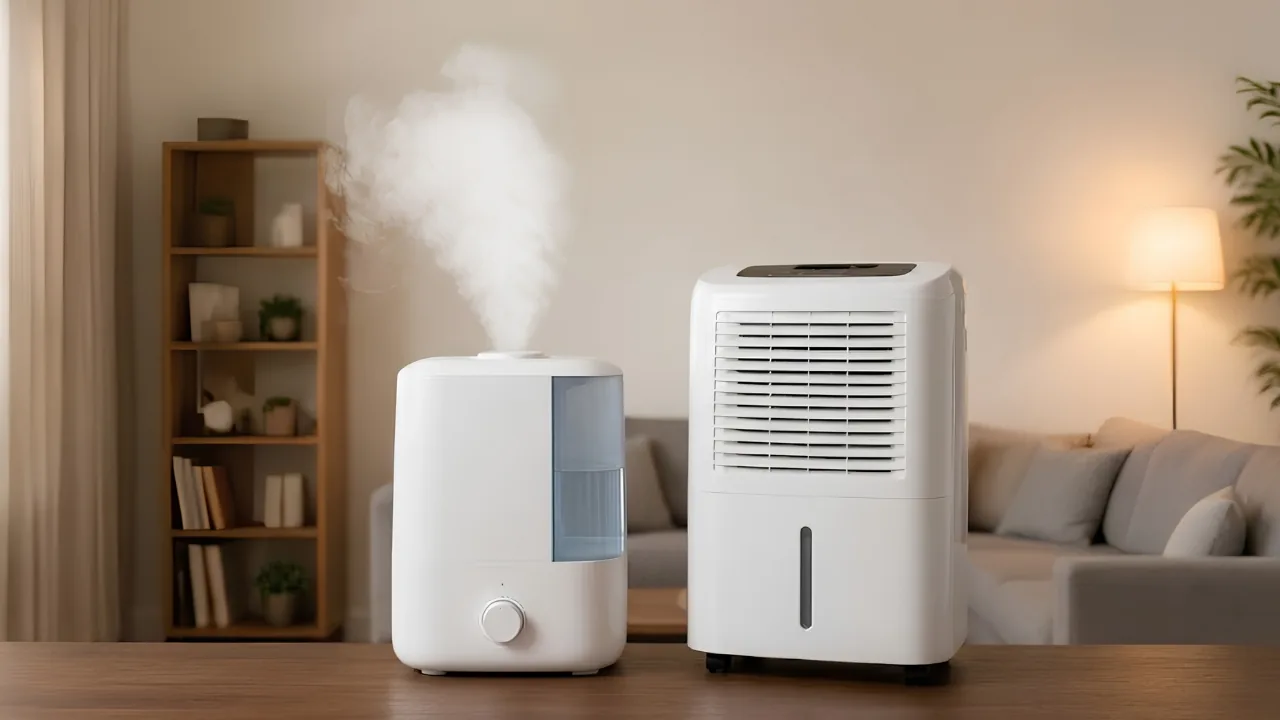
No. The amounts are not close. ENERGY STAR sizing guidance says a small or medium room that is slightly to moderately damp, at 50 to 75% relative humidity, needs a dehumidifier that removes 20 to 30 pints of water per day.
Now take a 200 gram charcoal bag, a common size. Even on the generous assumption that it could hold its own weight in water, that is 200 grams, less than half a US pint, and it holds it once. A dehumidifier removes many times that every day and empties into a bucket or drain.
| Option | Removes water from the air? | Best use |
|---|---|---|
| Activated charcoal bag | Trivial amounts | Odors in small closed spaces |
| Open box of baking soda | Trivial amounts | Odors; see baking soda and moisture |
| Ventilation and exhaust fans | Yes, by moving moist air out | Bathrooms, kitchens, laundry |
| Dehumidifier | Yes, rated in pints per day | Basements, damp rooms, crawl spaces |
| Fixing the leak or seepage | Stops the water arriving | Any persistent damp |
For low-cost ways to cut humidity, see our guide on dehumidifying your house naturally.
Will activated charcoal prevent mold?
No. Mold needs moisture, and charcoal does not remove enough to matter. The EPA says the key to mold control is moisture control. Its guide to mold and moisture says to fix the water problem, dry wet materials within 24 to 48 hours, and keep indoor humidity below 60%, ideally between 30 and 50%.
If mold is already growing, the EPA says a patch under about 10 square feet is usually a DIY job. If it is larger, or there has been a lot of water damage, consult professional remediation guidance before you start. A charcoal bag may cover a musty smell while the mold keeps growing, which is the worst outcome.
How do you know if a space is too humid?
Measure it. The EPA notes that a humidity meter, or hygrometer, costs about $10 to $50 at hardware stores. Signs without a meter include condensation on windows, walls or pipes, and a persistent musty smell. Our guide to checking humidity without a hygrometer covers rough methods.
Can charcoal pull water out of the ground or a wet floor?
No. Charcoal does not draw liquid water out of soil, concrete or carpet. Water has to evaporate first, and by then it is humidity, which charcoal barely touches. Wet floors need drying with fans, a dehumidifier and, for anything bigger than a spill, finding where the water comes from.
Charcoal in water filters is a separate job. There it adsorbs some contaminants as water passes through. It does not add minerals. Some filters remove them on purpose: ZeroWater says its 5-stage filter uses ion exchange to remove 99.6% of dissolved solids, including minerals.
Can you dry out or "reactivate" charcoal at home?
You can dry it, but you cannot fully reactivate it. Carbon maker Calgon Carbon describes industrial reactivation at around 1,700 to 1,800°F (about 930 to 980°C) in a low-oxygen furnace. It says gentler regeneration with steam, which rarely goes above 212°F (100°C), leaves carbon partially spent. A kitchen oven or a sunny windowsill does less than that.
Some bag sellers recommend setting the bag in the sun. That can dry it out. Do not put fabric bags in an oven. Replace the charcoal when it stops helping.
One firm safety rule: use activated charcoal sold for odor control, not grill charcoal, and never light charcoal indoors. The CDC warns that burning charcoal gives off carbon monoxide.
Frequently asked questions
Does activated charcoal absorb humidity?
Only small amounts, mostly when the air is already humid. It does not lower room humidity in any measurable way.
Is charcoal a good dehumidifier for a closet?
No. It can reduce a musty smell in a closed closet, but it will not dry the air. If the closet stays damp, look for a leak or a cold exterior wall, and consider a dehumidifier for the room.
Does moisture ruin activated charcoal?
It reduces its capacity. Water vapor competes with odor molecules for the same surface, so charcoal in damp air fills up and stops working sooner.
Can I use charcoal briquettes to absorb moisture?
No. Grill briquettes are fuel, not activated carbon sold for odor control. Never burn them indoors because of carbon monoxide.
What humidity should a home be?
The EPA recommends keeping indoor humidity below 60%, ideally between 30 and 50%.
What actually removes moisture from a room?
Fixing the water source, ventilating with exhaust fans, and running a dehumidifier sized for the space. ENERGY STAR rates dehumidifiers in pints of water removed per day.
Comments