
Which is the best activated charcoal for odor removal?
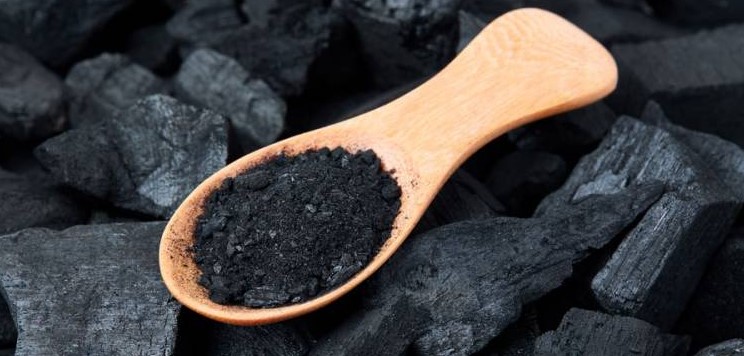
Quick Answer: The best activated charcoal for odors is product labeled as activated carbon or activated charcoal, used in an enclosed space close to the smell. Bags work well in closets, shoes, gym bags, cars and fridges. For a whole room, a fan-driven air cleaner with a thick carbon filter does far more. No passive bag purifies room air, kills mold or replaces fixing the source.
Activated charcoal works by trapping odor molecules in its pores, so how much of it you use, where you put it and how damp the air is all matter more than the brand. This guide covers what to look for on the label, which format suits which space, how long a bag really lasts, and the jobs charcoal cannot do. For the science behind it, see our explainer on whether charcoal absorbs odors.
What makes activated charcoal work on odors?
Surface area. Carbon is "activated" by processing it into porous grains with a very large internal surface. The Federal Remediation Technologies Roundtable puts that at 300 to 2,500 square meters per gram. Odor molecules stick to that surface, a process called adsorption. They are held, not destroyed or "neutralized."
Two limits follow from that. First, the carbon fills up. Once the surface is covered, it stops working. Second, water vapor competes for the same space. The same federal source notes that relative humidity above 50% can reduce carbon capacity. A charcoal bag in a damp basement fills faster than one in a dry closet.
What should you look for when you buy?
Most charcoal odor bags are sold on claims you cannot check, like square-foot coverage. The EPA notes that there are no widely used performance rating systems for filters designed to remove gases, so coverage numbers on a bag are the seller's own. Shop on what you can check.
| Check | Look for | Why it matters |
|---|---|---|
| The word "activated" | "Activated carbon" or "activated charcoal" on the label | Activation is what creates the pore surface. Plain charcoal and grill briquettes are not the same product. |
| Weight of carbon | Grams or ounces of carbon per bag | More carbon means more surface. The EPA says carbon filters work when there is a large amount of material. |
| Fragrance | Unscented | A scent covers odor rather than removing it, and fragranced products add their own chemicals to the air. |
| Bag size | Small bags for shoes and drawers, larger ones for closets and cars | Charcoal works on the air around it, so placement beats size. |
| Coverage claims | Treat as marketing | No standard test backs them. |
Which format suits which space?
Match the format to how enclosed the space is. Passive charcoal relies on air drifting past it. In a closed fridge or shoe that is enough. In an open living room it is not.
| Space | Format that fits | Notes |
|---|---|---|
| Fridge or freezer | Small bag or open container of granules | Clean out the spoiled food first. See our fridge odor absorber guide. |
| Shoes, gym bags, lockers | Small bags | Dry the shoes too. Damp lowers capacity. |
| Closet or drawer | One or two larger bags | Keep the door closed. Our closet odor guide covers other options. |
| Car | One bag under a seat | Remove the source, such as spilled food, first. |
| Whole room | Portable air cleaner with a thick carbon filter | A fan moves room air through the carbon. See our air purifiers for odor. |
Does putting the bag in sunlight recharge it?
Only partly, as far as the evidence goes. One seller, Moso Natural, tells owners to put the bag in direct sunlight for about an hour once a month and says it can be used for up to two years. We could not find independent testing of the sunlight method. Sunlight can dry a bag and may release some loosely held molecules, but it does not restore the carbon to new.
For comparison, carbon maker Calgon Carbon describes industrial reactivation as heating spent carbon to around 1,700 to 1,800°F (about 930 to 980°C) in a low-oxygen furnace. It notes that gentler regeneration with steam, which rarely goes above 212°F (100°C), leaves the carbon partially spent. A sunny windowsill is far cooler than either. Sun the bag if you like, and replace it when the smell comes back.
What can a charcoal bag not do?
It cannot fix the source. The EPA says the most effective way to improve indoor air is source control: remove the thing producing the pollution or reduce its emissions. A bag next to an overflowing trash can is working against an endless supply.
It does not kill mold or stop it growing. A musty smell usually means moisture, and the EPA's guidance is to fix the water problem and dry wet materials within 24 to 48 hours. If mold covers more than about 10 square feet, or there has been a lot of water damage, the EPA points you to professional cleanup guidance before any DIY step.
Never burn charcoal indoors to "activate" it or for any other reason. The CDC warns that burning charcoal gives off carbon monoxide.
Who should not buy charcoal bags?
- Anyone with an active leak, damp basement or visible mold. Fix the moisture first.
- Anyone trying to clear smoke, cooking or pet odor from a whole home. You need ventilation and a fan-driven carbon filter.
- Anyone expecting the bag to remove dust, pollen or germs. Bags work on gases, and not on particles you breathe.
Frequently asked questions
Is bamboo charcoal the same as activated charcoal?
Not automatically. Bamboo is one raw material for charcoal. What matters is whether it has been activated, so look for "activated" on the label.
How long does an activated charcoal bag last?
Until its surface is full, which depends on how strong the odor is and how humid the air is. Some sellers say up to two years with monthly sunning. Replace it when the smell returns.
Is activated charcoal safe around pets and children?
Unscented bags release no fragrance, which is their main advantage over sprays. Keep them out of reach so the bag is not chewed or opened, as you would with any household product.
Does activated charcoal absorb moisture?
A little, but it is not a dehumidifier, and moisture reduces its odor capacity. Our guide on charcoal and moisture explains why.
Is charcoal better than baking soda for odors?
They work differently. Charcoal adsorbs a wide range of odor molecules onto its surface. Both are passive and both work best in small closed spaces.
Can I use grill briquettes instead?
No. Briquettes are not sold as activated carbon, and charcoal meant for burning is the wrong product for odor control.
Comments