
Does a Dehumidifier Cool a Room—or Make It Warmer?
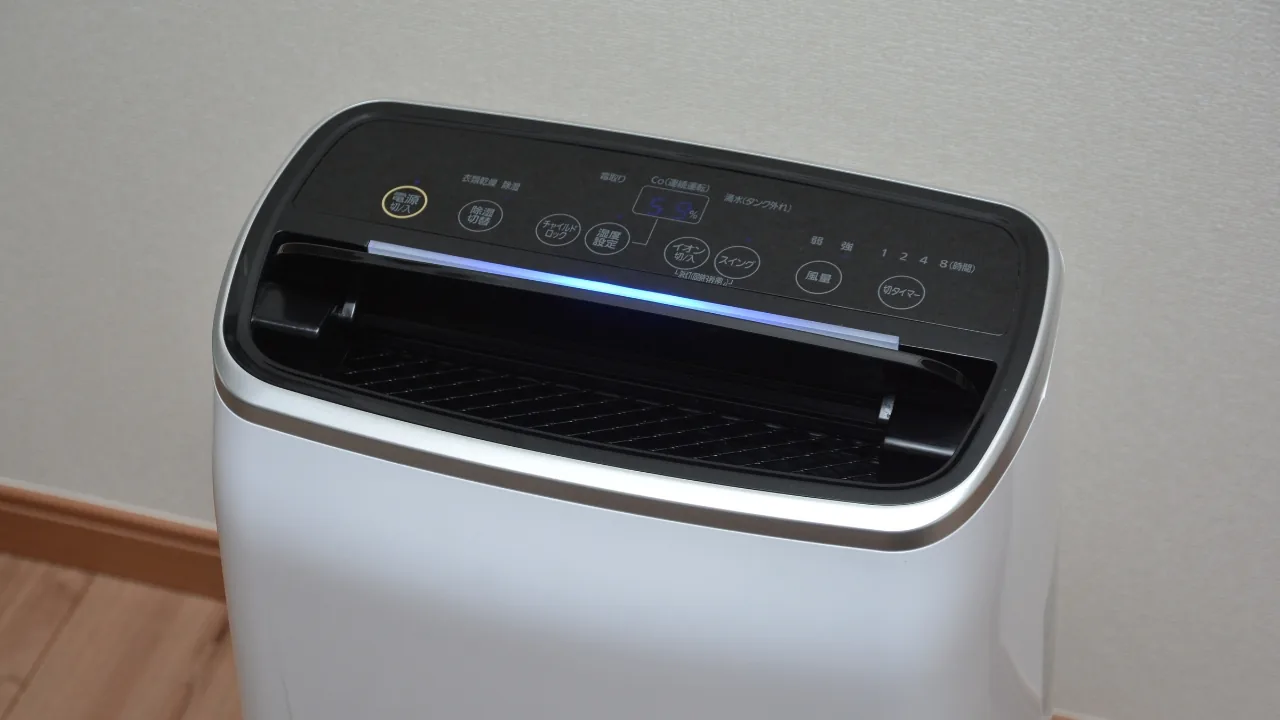
Does a dehumidifier cool a room? No—not in the way an air conditioner does. A portable refrigerated dehumidifier removes moisture but normally returns slightly warmer air to the same room. Lower humidity may make the space feel less muggy and more comfortable, even when the measured temperature stays level or rises.
That distinction matters. If the problem is heat, use cooling equipment. If the temperature is acceptable but the room feels damp, sticky, or prone to condensation, moisture control may be the better tool. The thermometer and humidity reading tell different parts of the story.
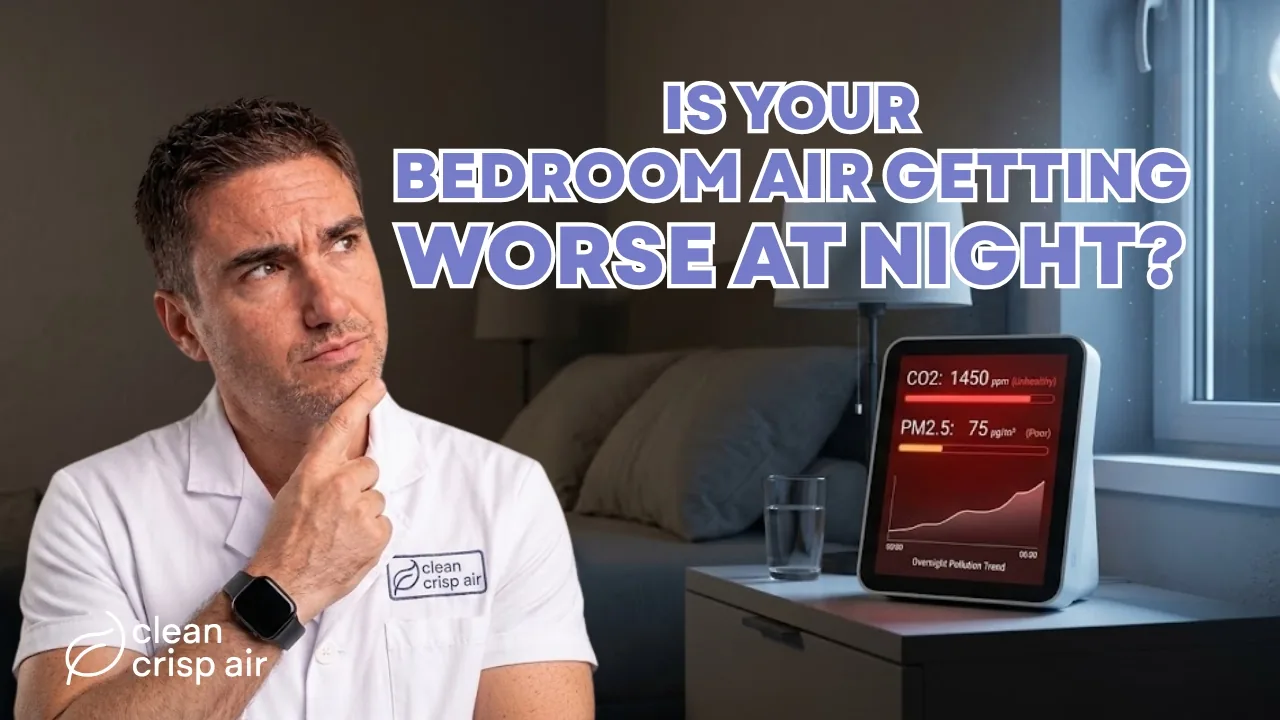
Prefer to watch? See the Clean Crisp Air explanation below, or watch Does a Dehumidifier Cool a Room? We Measured It for 8 Hours on YouTube.
Does a dehumidifier lower room temperature?
A standard portable dehumidifier is designed to remove water vapor, not move heat outdoors. The ASHRAE Handbook chapter on mechanical dehumidifiers explains that these systems pass air over a surface cooled below its dew point so moisture condenses. The air is then usually reheated before it returns to the space.
Because the cold and warm sides of the refrigeration cycle are both inside the room, the appliance does not provide net room cooling. Its compressor and fan consume electricity, and that energy eventually appears as heat in the room. The exact temperature change depends on the unit, room size, runtime, moisture load, air leakage, outdoor conditions, and any heating or cooling equipment operating at the same time.
ENERGY STAR’s dehumidifier guidance puts it plainly: as a dehumidifier removes moisture, it slightly warms the space around it. That is normal operation—not automatic proof that the machine is broken.
Why does a dehumidifier blow warm air?
A refrigerated dehumidifier works in a loop:
- A fan pulls humid room air into the unit.
- The air passes over a cold evaporator coil.
- Water vapor condenses on that coil and drains into a bucket or hose.
- The drier air passes over a warm condenser coil.
- The fan returns the drier, reheated air to the room.
The warm outlet air is therefore part of the moisture-removal process. Compare the outlet with the room over time, not with your hand for two seconds. Air immediately beside the exhaust is not representative of the average room temperature.
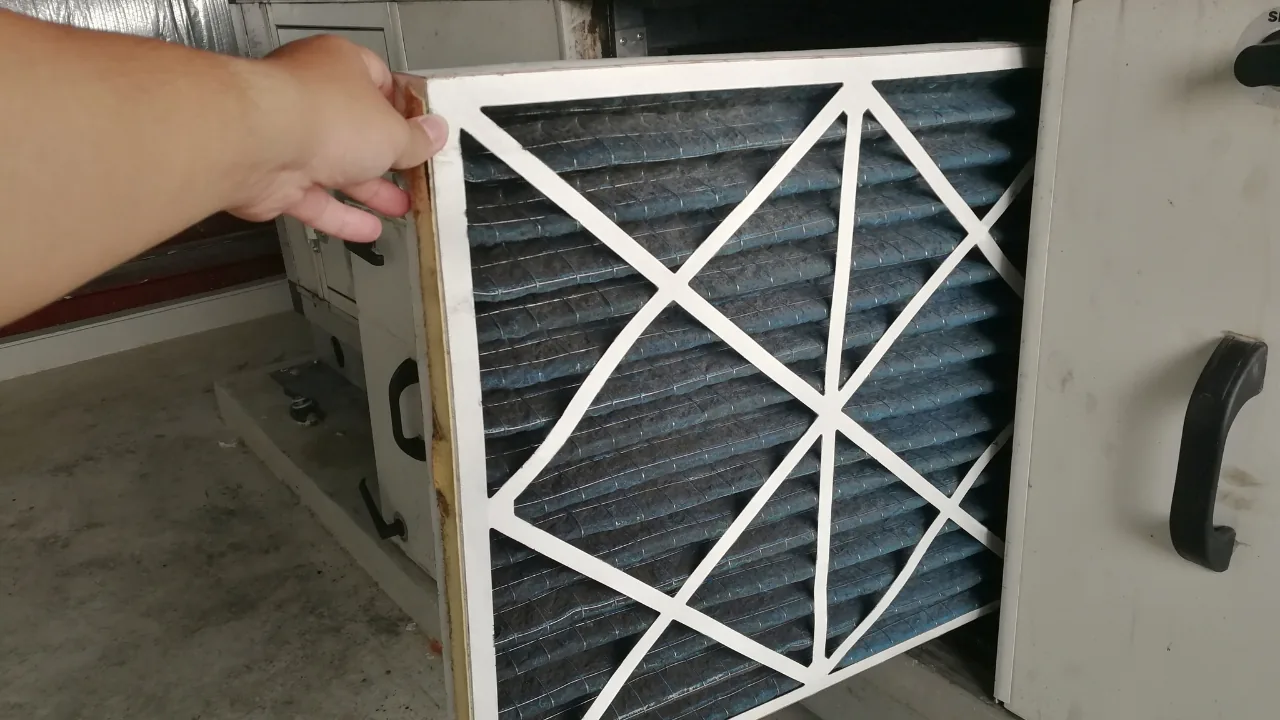
If the air seems unusually hot, the unit repeatedly shuts down, smells electrical, or shows an error code, follow the manufacturer’s instructions and stop using it if there may be a safety problem. A dirty filter, blocked airflow, extreme room temperature, or equipment fault can affect operation. If the coil ices over, see our guide to why a dehumidifier freezes and what to check.
Why can a warmer room feel less muggy?
Air temperature and thermal comfort are not identical. Your body sheds heat partly through evaporation from the skin. When indoor air is very humid, evaporation is less effective and the room may feel sticky or oppressive. Reducing moisture can improve that sensation even if the thermostat does not fall.
This is why people sometimes say a dehumidifier “cools” a room. The statement describes perceived comfort, not mechanical cooling. Comfort is subjective and depends on clothing, activity, air movement, temperature, humidity, and personal factors. Do not promise a specific “feels-like” temperature drop from a household dehumidifier.
For a practical home target, the US EPA’s indoor-air guide advises keeping indoor humidity between 30% and 50%. Climate, season, building construction, and cold surfaces can require a different operating strategy, so watch for condensation and follow local guidance.
Dehumidifier versus air conditioner
A dehumidifier and an air conditioner can use similar refrigeration principles, but they solve different primary problems.
- Dehumidifier: removes moisture and returns the processed air to the same room, usually slightly warmer.
- Air conditioner: removes heat from indoor air and rejects that heat outdoors; moisture removal occurs as part of cooling.
- Fan: moves air and may improve comfort at the skin, but it does not remove heat or water vapor from the room.
If the room is genuinely too hot, a dehumidifier is not a substitute for an appropriately sized air conditioner. If the room temperature is acceptable but humidity remains excessive, a dehumidifier may address the actual problem. In some homes, cooling and independent moisture control work together, but the equipment must be selected and operated correctly.
How to test what your dehumidifier changes
One instant reading proves almost nothing. Room temperature and relative humidity change with weather, occupancy, doors, windows, sunlight, HVAC cycles, cooking, showers, and sensor placement. A useful test holds as many variables steady as possible and records context.
What to record
- room dimensions or approximate volume;
- dehumidifier make, model, rated capacity, fan setting, and humidity target;
- starting room temperature and relative humidity;
- outdoor temperature and humidity;
- inlet and outlet temperature, measured safely without blocking airflow;
- power draw and cumulative electricity use from a suitable watt meter;
- water collected, runtime, and bucket or drain arrangement;
- door openings, occupancy, HVAC cycles, sunlight, and weather changes.
Where to put the sensors
Place the primary room sensor away from the dehumidifier’s inlet and warm outlet, supply vents, exterior doors, windows, direct sunlight, and cold walls. Keep it in the same location throughout the comparison. A second sensor near the outlet can show discharge-air behavior, but do not mistake that local reading for the whole room. For a broader monitoring method, use our guide to testing indoor air quality at home without overreading one sensor.
A practical eight-hour protocol
- Start with a control period while the dehumidifier is off.
- Record temperature and relative humidity at consistent intervals.
- Run the dehumidifier under ordinary, manufacturer-approved conditions.
- Record the same readings every 15 minutes for up to eight hours.
- Log power use, runtime, water collected, and every interruption.
- Compare the trend—not just the first and last numbers.
The US Department of Energy’s formal dehumidifier test procedure uses controlled conditions to measure water removal and energy consumption. A household room test is not a DOE laboratory rating, so do not compare its result directly with certified capacity claims.
How to interpret the readings without fooling yourself
Relative humidity is temperature-dependent. If the air warms while its moisture content stays unchanged, the relative-humidity percentage can fall. That means a lower RH number is not, by itself, proof of how much water the machine removed.
Use several signals together:
- Room temperature: Did the representative room sensor rise, fall, or remain stable?
- Relative humidity: Did the trend fall and stay controlled?
- Collected water: Did the unit physically remove moisture?
- Energy use: How much electricity did the test consume?
- Runtime: Did the machine cycle or run continuously?
- Conditions: Did the HVAC, weather, occupancy, or an open door alter the comparison?
DOE defines product capacity using the amount of water removed under specified conditions, and energy efficiency using water removed per kilowatt-hour. At home, the same logic is useful: evaluate moisture removal and electricity together instead of celebrating a dashboard color change.
When a dehumidifier is the right tool
A dehumidifier makes sense when measurements confirm excess airborne moisture in a room that does not mainly need cooling. Common examples include a damp basement, a muggy room during mild weather, or a space where cooling reaches the temperature target but humidity remains high.
Start by identifying the moisture source. Bathrooms, cooking, indoor laundry, unvented dryers, groundwater, plumbing leaks, foundation seepage, and humid outdoor air require different fixes. Our guide to using a dehumidifier for condensation explains when moisture removal helps and when leaks or cold surfaces need attention instead.
Match the machine to the room and dampness level rather than buying on headline capacity alone. See which type and size of dehumidifier your home needs for capacity, temperature, and drainage considerations.
When to choose cooling—or fix the building
Choose appropriate cooling equipment when the actual indoor temperature is the main problem. A dehumidifier may improve muggy comfort, but it cannot reject room heat outdoors. Adding one to an already hot, relatively dry room can increase electricity use without solving the complaint.
Stop treating the problem as an appliance decision when water enters through a roof, pipe, wall, window, or foundation. A dehumidifier can help dry air and materials after the source is controlled, but it cannot repair water intrusion. Significant leaks, contaminated water, electrical hazards, structural damage, or extensive mold require qualified help.
How much electricity will it use?
Energy use depends on wattage, compressor runtime, humidity target, room conditions, capacity, airflow, and whether the moisture source continues. The useful calculation is:
Energy used in kilowatt-hours = appliance watts ÷ 1,000 × operating hours
Multiply kilowatt-hours by your electricity rate to estimate cost. Compressor cycling means nameplate wattage multiplied by elapsed clock time may overestimate or underestimate a real session, so a suitable plug-in energy meter gives better evidence. Our dehumidifier running-cost guide walks through the calculation.
Frequently asked questions
Can a dehumidifier replace an air conditioner?
No. A dehumidifier controls moisture; an air conditioner is designed to remove heat from indoors. Use the appliance that matches the measured problem.
Is warm air from a dehumidifier normal?
Yes, warm discharge air is normal for a refrigerated dehumidifier during moisture removal. Check the manual if the temperature seems extreme, airflow is weak, the unit smells unusual, or an error appears.
Will a dehumidifier make a bedroom hotter?
It can add some heat, especially in a small closed room or during long runtimes. The amount is not universal. Measure the room away from the outlet and consider noise, drainage, and manufacturer instructions before using one in a sleeping space.
Should windows be open while a dehumidifier runs?
Usually not when the goal is to dehumidify conditioned indoor air, because open windows can continuously introduce outdoor moisture. Ventilation may still be necessary for pollutant or combustion safety; moisture control must never override those requirements.
The bottom line
A dehumidifier does not cool a room like an air conditioner. It removes moisture, normally releases some heat into the same space, and may make humid conditions feel more comfortable. Measure temperature and humidity separately, record water removal and energy use, and choose the tool that addresses the real problem.

Comments