
Does Baking Soda Absorb Moisture? How to Use It as a Natural Dehumidifier
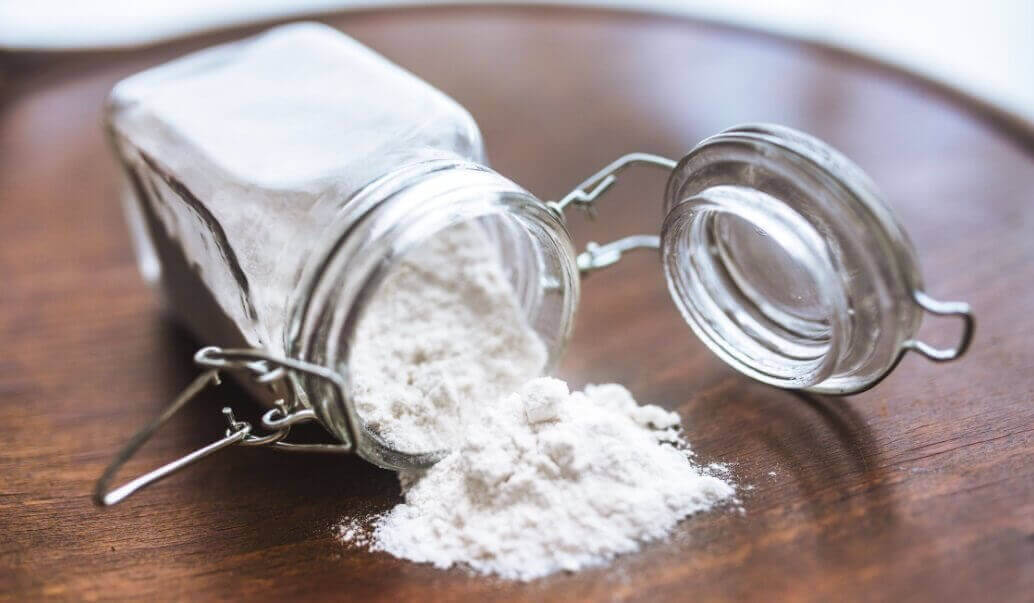
Excess humidity makes any home uncomfortable — sticky skin, musty smells, and even mold growth. While electric dehumidifiers work well, many homeowners prefer a natural, low-cost solution. That is where baking soda comes in.
Baking soda (sodium bicarbonate) is a hygroscopic substance, meaning it naturally absorbs moisture from the air. Below is everything you need to know about using baking soda as a natural dehumidifier.
What Is Baking Soda?
Baking soda is the common name for sodium bicarbonate (NaHCO₃), a white crystalline salt that appears as a fine powder in its processed form. It is mildly alkaline.
Most people know baking soda as a leavening agent for cakes, bread, and pancakes. However, it has dozens of household uses — including pest control, cleaning, teeth whitening, odor neutralization, and moisture absorption.
Does Baking Soda Reduce Humidity?
Yes — baking soda absorbs moisture from the air. Because it is hygroscopic, it pulls water vapor out of humid air and traps it in its crystalline structure.
Unlike table salt, baking soda does not become liquid or leak as it absorbs moisture. This makes it a cleaner, mess-free option for natural dehumidification.
These properties are why baking soda is a common ingredient in many commercial natural dehumidifying products. It is widely used for dehumidifying homes naturally.
How to Use Baking Soda to Absorb Moisture (Step by Step)
There are two main ways to use baking soda as a dehumidifier:
Method 1: Dehumidify a Room or Closet
- Pour baking soda into an open bowl or shallow container.
- Place it in the humid area — a bathroom, closet, basement, or laundry room.
- Leave it undisturbed. The baking soda will gradually absorb moisture from the air.
- After a few days, stir the powder to expose fresh surface area and improve absorption.
- Replace the baking soda every 2–4 weeks, or when it becomes clumpy and damp.
Pro tip: For larger spaces, use multiple bowls placed in different corners of the room.
Method 2: Remove Moisture from Carpets and Fabrics
- Sprinkle a generous layer of baking soda directly over the damp carpet or upholstery.
- Let it sit for 15–30 minutes to absorb the moisture.
- Vacuum the area thoroughly.
This method works especially well for small spills and damp patches. It also helps remove trapped odors from carpet fibers.
Baking Soda for Odor Absorption
Beyond moisture control, baking soda is an excellent natural odor absorber. Place an open bowl of baking soda in problem areas like:
- Refrigerators — neutralizes food smells
- Basements — reduces musty basement odors
- Closets and shoe racks — absorbs stale smells
- Trash can areas — reduces garbage odor
Stir the powder periodically to maintain effectiveness. For stronger odors, consider combining baking soda with activated charcoal for maximum absorption.
Limitations: When Baking Soda Is Not Enough
While baking soda is a convenient and affordable dehumidifier, it has some limitations:
- Small spaces only — it works best in closets, cabinets, and small rooms. For large living areas, an electric dehumidifier is more effective.
- Moderate absorption — baking soda is less hygroscopic than calcium chloride or silica gel, so you may need larger quantities.
- Regular replacement — it needs to be swapped out every few weeks as it becomes saturated.
The Bottom Line
Baking soda is one of the simplest and most affordable natural dehumidifiers available. It absorbs moisture without leaking, helps neutralize odors, and is safe to use around children and pets.
For small spaces like closets, bathrooms, and basements, it is an excellent first line of defense against excess humidity. For larger areas or severe moisture problems, pair it with proper ventilation or an electric dehumidifier.


Comments