
Ceiling fan wall switch not working? How to fix it
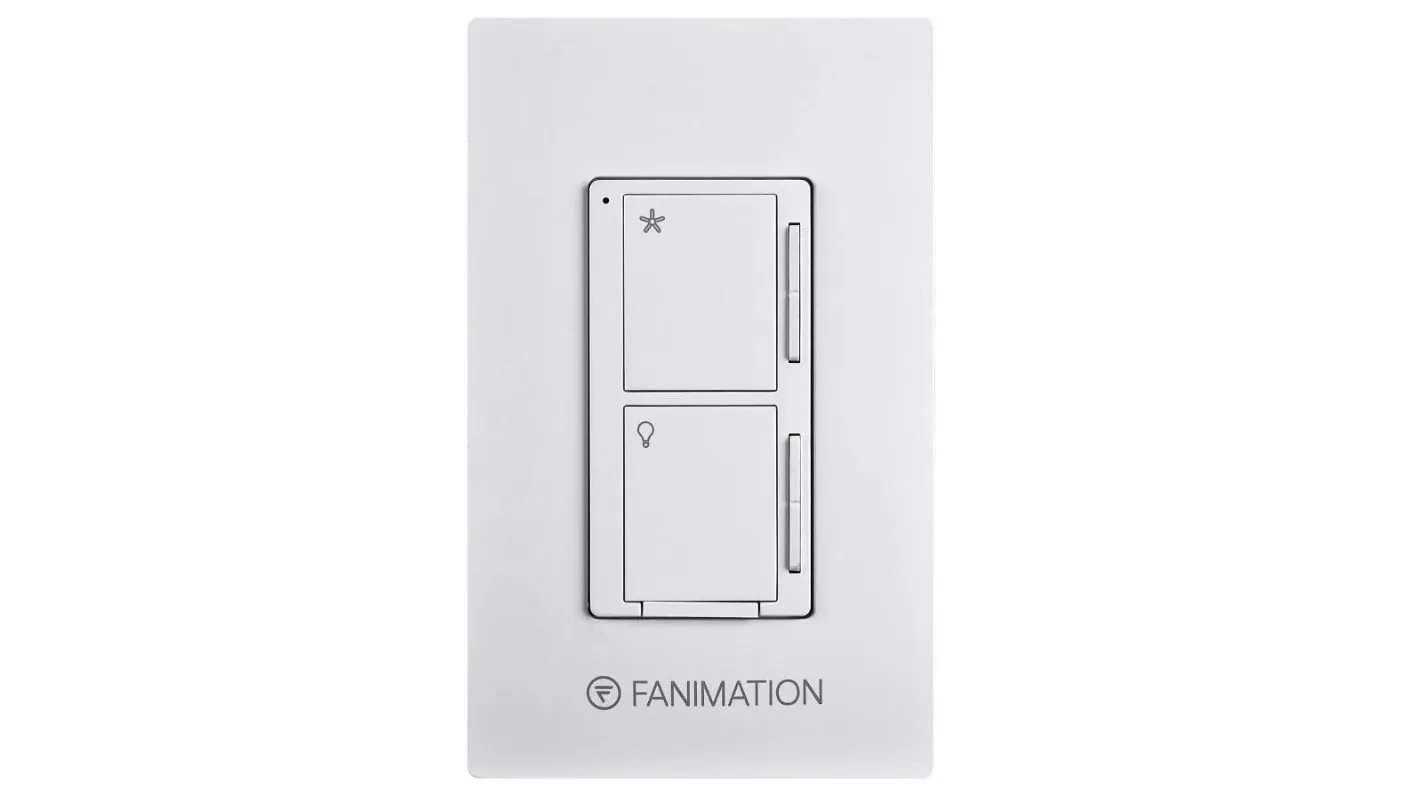
Quick Answer: Check the simple causes first: a tripped breaker, the fan's pull chain set to off, or a remote receiver that only gets power while the wall switch is on. If those are fine, the usual culprit is a worn-out switch or a loose wire at the switch or the ceiling box. Turn the power off at the breaker and prove it dead with a tester before you open anything. A light dimmer should never control a fan motor.
A ceiling fan wall switch does one job in most homes: it sends power up to the fan. Speed and light are then handled by the pull chains, a remote receiver, or a dedicated fan control on the wall. Knowing which of those your fan uses tells you where to look. If you are not sure which wire does what in the ceiling box, start with our ceiling fan wire color guide.
Is it safe to troubleshoot this yourself?
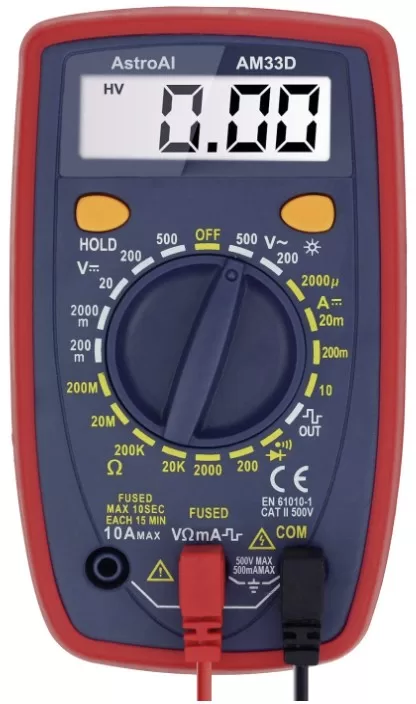
The first checks are safe because they involve no wiring: the breaker, the pull chain and the remote. Anything behind a switch plate or a fan canopy is different. Turn the circuit off at the breaker, not just at the wall switch, and leave it off until you are done. Then check with a voltage tester that the wires really are dead. Hunter's ceiling fan installation guide (checked 2 October 2026) says the same: power off at the breaker, then "use a circuit tester to verify the power is off" before touching any wiring. Try the tester on an outlet you know is live first, so you know it works.
Stop and call a licensed electrician if the switch plate is warm, you smell burning, you see scorch marks or melted insulation, the breaker trips again after you reset it, or the fan keeps running with the switch off. Those are not switch-replacement jobs.
Why is my ceiling fan wall switch not working?
Usually something other than the switch is off. Match your symptom to the table.
| What you see | Likely cause | What to do |
|---|---|---|
| Nothing works from the switch or the remote | Tripped breaker or blown fuse | Reset the breaker once. If it trips again, call an electrician |
| Switch is on, fan is silent, light may work | Fan pull chain clicked to off | Pull the fan chain through its settings with the switch on |
| Remote works only when the switch is on | Normal for a remote receiver | Leave the wall switch on and use the remote |
| New wall speed control, fan dead or wrong speeds | Pull chain not on high, or wiring | Set the fan to high on its pull chain, per the control's instructions |
| Fan hums, runs slowly or failed after a dimmer was fitted | Light dimmer on the fan motor | Replace it with a control rated for ceiling fans |
| Fan cuts in and out when the switch is touched | Loose connection or worn switch | Breaker off, test, inspect the switch wiring |
| Fan runs with the switch off | Wiring fault or failed switch | Call an electrician |
Why does my fan only work with the remote when the wall switch is on?
Because the receiver in the fan needs power, and the wall switch supplies it. Hunter's guide to installing a ceiling fan remote (published 14 August 2026) puts it plainly: "If the switch is off, the fan won't work because the receiver doesn't get power." With a remote, the wall switch is a power switch. Leave it on. If the remote still does nothing with the switch on, the problem is the remote or receiver, and our guide to resetting a ceiling fan remote is the next step.
Why won't the fan run even though the switch is on?
Check the pull chain. On a fan with chains, the wall switch feeds power and the chain chooses off, low, medium or high. If someone clicked the chain to off, the wall switch will seem dead. With the switch on, pull the chain one click at a time and wait a few seconds between clicks.
If you have a wall-mounted fan speed control rather than a plain switch, the fan's own chain must stay on high. Hunter's instructions for its model 27183 fan and light wall control say to set the fan's speed to high before installing, and not to change it afterward, "as damage to your ceiling fan or All-Fan control may result."
Can you use a dimmer switch on a ceiling fan?
No. A light dimmer is not a fan speed control. Hampton Bay's ceiling fan FAQ sheet (read 2 October 2026) says you should never use a dimmer switch to control a ceiling fan, because it causes premature wear on the capacitors and motor and makes the fan noisy. If you want speed control on the wall, use a control that is listed for ceiling fans and follow its ratings. Hunter's 27183, for example, is rated for one reversible paddle-blade fan at 1.6 amps or less and needs separate wiring for the fan and the light.
A fan that hums or runs slowly after a switch change is worth reading about in our guide to a ceiling fan slowing down.
How can you tell if the switch itself has failed?
Switches wear out. A switch that feels loose, does not click, or works only when you press it hard is a likely suspect. To check it:
- Turn the breaker off and confirm with a tester that the switch wires are dead.
- Remove the cover plate and the two screws holding the switch, and pull it out gently.
- Look for loose screw terminals, wires pushed into the back of the switch instead of under a screw, burnt or brittle insulation, and broken conductors.
- Before disconnecting anything, take a photo. A plain single-pole switch has two terminals plus a green ground screw.
If what you find matches that, replacing it like for like is a common homeowner job: one wire at a time onto the matching terminal of the new switch, ground to the green screw. If the box holds more wires than you expected, such as a red wire, several bundled blacks, or a three-way switch with a terminal marked "common", stop there. Those circuits are easy to miswire, and the fix is an electrician, not a guess.
When should you call an electrician?
Hunter's installation guide names the cases where you may need one: no existing ceiling wiring, a box that is not fan rated, additional switches needed, or you are not comfortable working on the wiring. Add these for a switch fault: the breaker trips again, there is heat, burning smell or scorching, the fan runs with the switch off, or the wiring does not match what you expected. Any of those means the problem is in the circuit, not just the switch.
Frequently asked questions
Why does my ceiling fan work with the pull chain but not the wall switch?
If the fan responds to its chain at all, power is reaching it, so the switch is passing power when on. Check that the chain is not set to off, then look for a loose connection or a worn switch with the breaker off.
Do I need to leave the wall switch on if I use a remote?
Yes. On a fan with a remote receiver, the wall switch powers the receiver. With the switch off, the remote cannot work.
Can I replace a regular switch with a dimmer for my fan?
Not for the fan motor. Use a wall control rated for ceiling fans. Hampton Bay's FAQ says a dimmer causes premature wear on the motor and capacitors and makes the fan noisy.
Why does my fan keep running when the wall switch is off?
The switch is not controlling the fan's power. That can be a failed switch or a wiring fault in the box or ceiling. Turn the fan off at the breaker and have an electrician check it.
Why did my fan stop working after I installed a wall speed control?
The most common reason is the fan's own pull chain. Fan speed controls such as Hunter's 27183 expect the fan to be set to high on its chain and left there. Also confirm the control is rated for your fan.
My wall switch controls the light but not the fan. Why?
On a two-switch setup, one switch feeds the motor and the other feeds the light. If the light works, check the motor's pull chain first, then the switch for the fan.
Comments